






Arthur Lynch | Thu Dec 18 2025
Wholesale Jewelry Charm Bracelets: Source High-Quality, Affordable Accessories with Trusted Suppliers
Wholesale charm bracelets give retailers an instant boost in sales by offering trendy, budget-friendly accessories that customers can customize to their heart’s content. By focusing on sourcing high-quality yet affordable jewelry and fashion accessories, businesses can secure reliable margins and elevate their brand reputation. Their blend of style, durability, and personalization makes them a must-have in any jewelry collection.
Why Wholesale Jewelry Charm Bracelets Matter
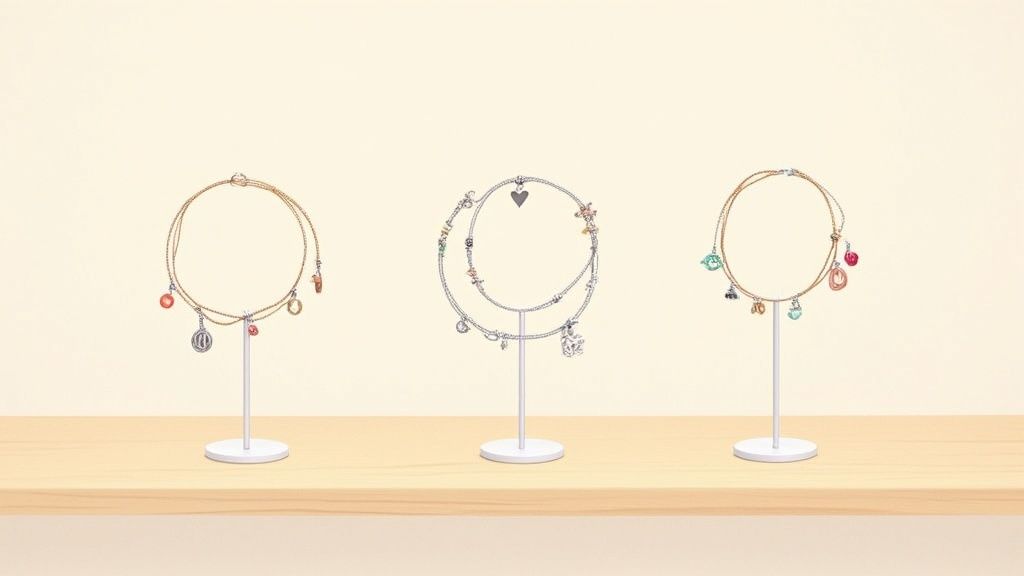
Charm bracelets stand out because each charm tells a story. Think of them like building a custom playlist—every charm brings back a memory or marks a milestone. This narrative quality keeps shoppers coming back, eager to add the next piece to their collection. For businesses, sourcing these bracelets from suppliers with strict quality controls ensures consistent finish and durability at price points that boost profits.
For instance, demand for personalization has fueled significant market growth. Charm bracelets have surged in the wholesale jewelry market, carving out a strong niche. According to projections, the global bracelet market will climb from around USD 40 billion in 2025 to USD 45 billion by 2033, growing at a 5.8 percent CAGR. Learn more about bracelet market growth from this report.
- Personalized appeal drives repeat visits
- High-quality sourcing cuts defect rates and returns
- Low production costs (when sourced wisely) translate to high margins
- Mix-and-match displays simplify merchandising
Top Selling Charm Styles
| Style | Description |
|---|---|
| Initial | Personalized letter charms |
| Birthstone | Colorful stone for each month |
| Symbolic | Hearts, stars, and meaningful icons |
| Animal | Cute animal figures |
| Travel | Landmarks and travel motifs |
Introducing wholesale charm bracelets to your shelves is a smart move—especially when you source from vetted manufacturers offering competitive pricing. They work beautifully in impulse racks or as part of themed displays. And because each charm reflects personal taste, shoppers stay engaged—and keep coming back.
Key Takeaway: Personalized accessories can increase average order value by up to 20 percent, as shoppers add extra charms to complete a set.
This overview sets the stage for diving deeper into materials, quality checks, and pricing strategies in the sections that follow.
Market Snapshot
Charm bracelets rank among the fastest-growing segments in fashion accessories, combining timeless appeal with modern customization. When you partner with suppliers who balance quality and cost, you create a sustainable, profitable product line.
Key Highlights:
- Storytelling format that captivates shoppers
- Scalability across entry-level to premium tiers
- Flexible visual merchandising options
- Sustained trend momentum
With this foundation, retailers can confidently choose wholesale charm bracelets that resonate with their audience. Next up: selecting the right materials, vetting suppliers, and fine-tuning margins for maximum profitability.
Understanding Materials And Finishes
Choosing the right components for charm bracelets shapes not just the look but also price and durability. Metals, beads, and coatings each tell their own story—picture sterling silver’s gentle weight versus stainless steel’s robust feel. Prioritizing both high quality and affordable unit costs ensures you stock pieces that delight customers while protecting your bottom line.
Popular Metals For Charm Bracelets
First, let’s break down the top metal options. Each brings distinct character, weight, and price points to your line.
-
Gold-Plated
A whisper-thin layer of gold over an alloy gives that luxe gleam at an affordable price. Ideal for entry-level fashion charms with moderate durability—when sourced properly, wholesale rates of $2–$5 make strong margins. -
Sterling Silver
Crafted from 92.5% silver, it delivers a crisp, bright luster and a satisfying heft—think of holding a hefty coin. Bulk pricing of $5–$10 per piece balances quality perception and cost. -
Stainless Steel
Exceptionally tough, hypoallergenic, and scratch-resistant. It mimics silver’s cool shine but demands a smaller budget at $1–$4 per unit—perfect for everyday durable designs. -
Lab-Grown Metals
Grown in controlled settings, these metals match natural gold or silver without mining impacts—often competitively priced and trending with eco-aware audiences.
Material Comparison For Charm Bracelets
| Material | Appearance | Price Range | Ideal Use |
|---|---|---|---|
| Gold-Plated | Warm golden shine | $2–$5 per unit | Fashion-forward statement pieces |
| Sterling Silver | Bright white luster | $5–$10 per unit | Premium collections seeking classic style |
| Stainless Steel | Cool metallic finish | $1–$4 per unit | Everyday durable designs |
| Enamel Beads | Colorful glossy accents | $0.50–$3 per pc | Playful charm variations |
| Glass Beads | Translucent sparkle | $0.30–$2 per pc | Seasonal motifs and mix-and-match looks |
Use this table as a quick reference when planning your next collection, ensuring each material aligns with customer expectations and price tiers.
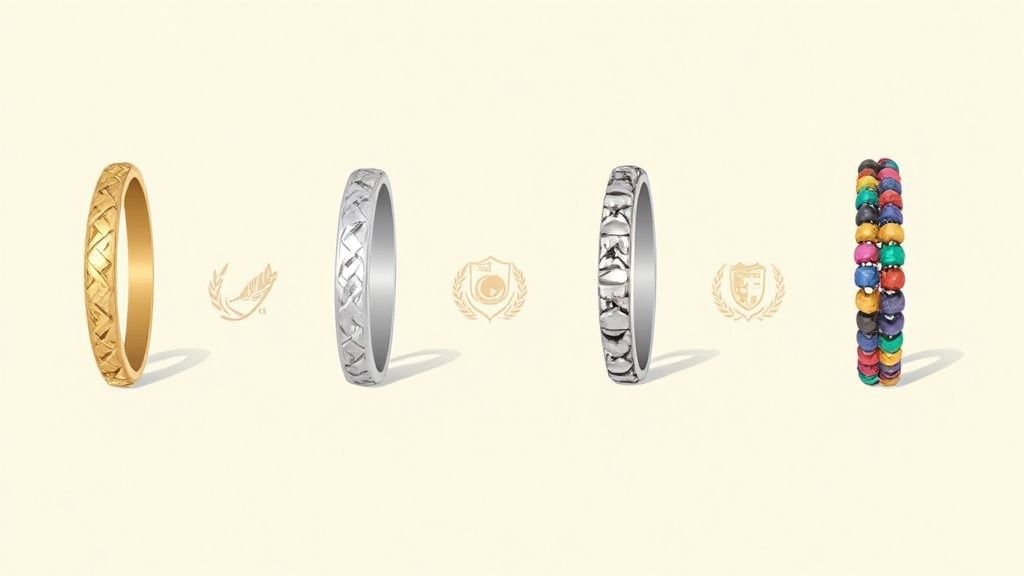
You’ll see that adding just 20 microns of plating can extend wear life by around 50 percent—a small change for a major improvement when you source from plating specialists.
Customization drives today’s charm bracelet market. By 2025, personalized jewelry is expected to lead trends, with 68% of consumers favoring meaningful, bespoke pieces over generic ones. Explore the full insights in the Future of Jewelry Market report.
Key Takeaway: The right base metal and finish boost perceived value and keep shoppers coming back.
Plating Methods And Treatments
Finishing techniques directly affect appearance and longevity. Vet suppliers that offer diverse, eco-friendly coating options:
- Electroplating: Applies a uniform metal layer via an electric current.
- PVD Coating: Deposits an ultra-thin film that resists scratches and fading.
- Anti-Tarnish Coatings: Forms a protective barrier to slow oxidation.
- Eco-Friendly Finishes: Water-based, non-toxic options for a greener footprint.
Matching the right method to your line helps you hit that sweet spot between cost and resilience.
Finish Selection Tips
Keep these practical pointers in mind when choosing finishes:
- Test samples under natural light to confirm true color.
- In humid climates, lean on strong anti-tarnish treatments.
- Rotate bead palettes by season to refresh your range effortlessly.
- Compare durability against price when choosing stainless steel or plated alloys.
- Mix metals with enamel or glass beads for eye-catching variety.
These simple checks enhance appeal, reduce returns, and ensure affordable yet high-quality assortments.
Case Study: Rouge
When boutique label Rouge swapped silver-plated charms for stainless steel, returns dropped by 30%, and cost savings enabled them to reinvest in custom packaging.
“Our customers rave about the new stainless steel finish—it still looks fresh months later.”
- Durability improvements led to fewer complaints.
- Consistent finishes reinforced brand trust.
- Inventory simplified with one reliable metal.
- Products felt premium without inflating costs.
Apply these lessons as you plan your next bulk order.
Perform Quality Checks And Set MOQs
Catching defects at the start saves you from surprise reorders and keeps your brand’s reputation intact. A solid inspection routine—paired with sourcing from reliable manufacturers—is like a dress rehearsal that spots hiccups before curtain call.
Think of a plating thickness assessment as your practice run—it highlights thin spots long before your charms hit the showcase. Using a handheld gauge or sending samples to an accredited lab ensures each piece carries 5–20 microns of finish.
Key Quality Tests
- Plating Thickness Test: Confirm coating depth to hit durability targets.
- Clasp Strength Trial: Gradually increase force to ensure closures stay fastened.
- Anti-Tarnish Inspection: Place samples in humidity chambers and track oxidation.
Random batch sampling is another quick win. It keeps you confident that a single weak batch won’t slip through.
In-House Versus Third-Party Testing
Running basic checks on-site speeds up feedback. You’ll catch minor issues before they grow.
Bringing in an external lab adds impartial validation. That neutral perspective can head off supplier disputes.
Combining both methods gives you rapid response times alongside credible, third-party proof—crucial for affordable, high-quality sourcing.
Setting MOQs Strategically
Minimum order quantities work a lot like planting seeds: the right number spurs growth without creating excess.
- Benchmark by Material: Compare Gold-Plated, Sterling Silver, and Stainless Steel requirements.
- Research Regional Norms: Asian suppliers often start at 1,000 units, while European vendors may accept 300 units.
- Align With Demand: Let your sales figures guide realistic order sizes.
- Match Container Loads: Sync MOQs to pallet and carton sizes to cut freight costs.
“Our boutique cut returns by 30% after adjusting MOQs to match customer demand,” says Sara Lee.
Negotiation Scripts And Checklists
- Script Sample: “Could we try 200 units for an initial run?”
- Checklist Tip: Get plating depth, clasp strength, and tarnish-resistance tests in writing.
- Pro Tip: Approach suppliers during slower seasons for better terms.
Having these lines ready turns negotiations into straightforward conversations and helps secure competitive pricing.
Industry Growth Resilience
After the COVID-19 slump, charm bracelet sourcing bounced back fast. Global jewelry valuations climbed to $480.5 billion by 2025.
Read the full research about industry trends.
Suggested MOQs By Material
| Material Type | Typical MOQ | Price Benchmark |
|---|---|---|
| Gold-Plated Alloy | 500 units | $2–$5 each |
| Sterling Silver | 300 units | $5–$10 each |
| Stainless Steel | 100 units | $1–$4 each |
Actionable Checklist Summary
- Inspect plating thickness with a micrometer or XRF device.
- Cycle each clasp open and closed at least five times.
- Log anti-tarnish results in a shared spreadsheet.
- Compare readings against supplier specs.
- Adjust MOQs based on real-world data.
Think of this as your preflight checklist—everything necessary for a smooth takeoff and cost-efficient sourcing.
Case Study
Bella Boutique trimmed $2,000 in annual costs by fine-tuning MOQs and enforcing quality tests. They caught a 15% plating deviation before shipment and renegotiated terms.
This framework locks in consistency and safeguards your bottom line.
Use these steps to create a repeatable, reliable quality process. You’ll save time, cut returns, and build stronger customer trust.
Evaluate Suppliers And Manage Samples
Finding the right partner makes all the difference when you’re sourcing wholesale charm bracelets. Vetting manufacturers early on—through factory audits, certification checks, and real-world buyer feedback—saves you both time and money down the road. Think of it as doing a background check before bringing someone onto your team.
Supplier Vetting Criteria
- Audit Reports: Inspect plating depth, anti-tarnish treatments, and quality-test results.
- Certifications: Confirm ISO, SGS, or equivalent standards for sterling silver, stainless steel, and other metals.
- Customer Reviews: Hunt for honest feedback on consistency, delivery times, and communication.
- Factory Visits: If feasible, walk the production floor to see workflows and quality controls firsthand.
After you’ve narrowed your list, request free samples—most suppliers will send 1–2 units at no charge to prove their craft. It’s like slipping into a new pair of shoes: you need to feel the weight, check the finish, and verify the fit before committing to bulk.
Here Is A Supplier Directory Screenshot Showing Audit Statuses And Sample Flags
This snapshot highlights which vendors hit plating standards and turned around samples in under 2 weeks. Once those free units clear your basic checks, step up to a paid pilot run of a larger batch. That’s when you’ll catch subtler issues—misaligned clasps or tiny enamel chips.
Managing Sample Evaluations
Set up a simple A/B/C grading system to score each sample on:
- Finish Uniformity
- Overall Weight
- Hallmark Accuracy
Log every result in a shared spreadsheet or project tool. Then share your findings with the supplier immediately so they can tweak processes before full production.
Check out our guide on wholesale charms for jewelry to expand supplier options.
Final Supplier Selection
Once pilot runs meet your expectations, it’s time to negotiate serious terms:
- Minimum Order Quantities (MOQs)
- Pricing Tiers
- Lead Times
- Defect Handling & Restock Policies
Think of this stage like signing closing papers after a home inspection—every detail matters.
Expert Insight
Consistency beats rock-bottom prices when selecting a supplier for long-term success.
Performance Monitoring
Even after you’ve locked in a supplier, maintain periodic audits every few shipments. Keep a running scorecard to catch any dips in quality. Address issues within 1 week to avoid inventory gaps and protect your margins.
Supplier Type Comparison
| Supplier Type | Pros | Cons | Ideal For |
|---|---|---|---|
| Factory Direct | Lower pricing, direct oversight | Small MOQs may apply | High-volume retailers |
| Wholesaler | Flexible MOQs, diverse catalog | Slightly higher cost | Small boutiques |
| Drop-shipper | No inventory holding, low risk | Longer shipping, less control | E-commerce startups |
Use this table to match each supplier model with your business goals. By combining sharp vetting, thorough sample runs, and ongoing performance checks, you’ll build reliable partnerships and keep your charm bracelets shipping smoothly.
Plan Shipping and Handle Customs
Logistics often make or break a wholesale charm bracelet operation. Getting your shipment right isn’t just about cost; it’s about timing and reliability. Sourcing from freight partners who specialize in jewelry can deliver both affordability and speed.
You’ll weigh options—speed vs. budget vs. order size. Your main choices are air freight, sea freight, or express couriers like DHL.
Shipping Modes
- Air Freight: Ideal for small batches when deadlines loom, though rates can reach $8–$12 per kg.
- Sea Freight: Best for high-volume orders, costing as little as $0.50 per kg, but transit stretches 30–45 days.
- Express Courier: Perfect for quick reorders, typically arriving in 3–7 business days with door-to-door tracking.
Consider a US-to-EU sea shipment: it might leave Shanghai on day one, clear customs in Hamburg by day 35, and reach your warehouse by day 40.
The next step: vetting and sampling suppliers before you commit. Below is an infographic that breaks down those stages visually.
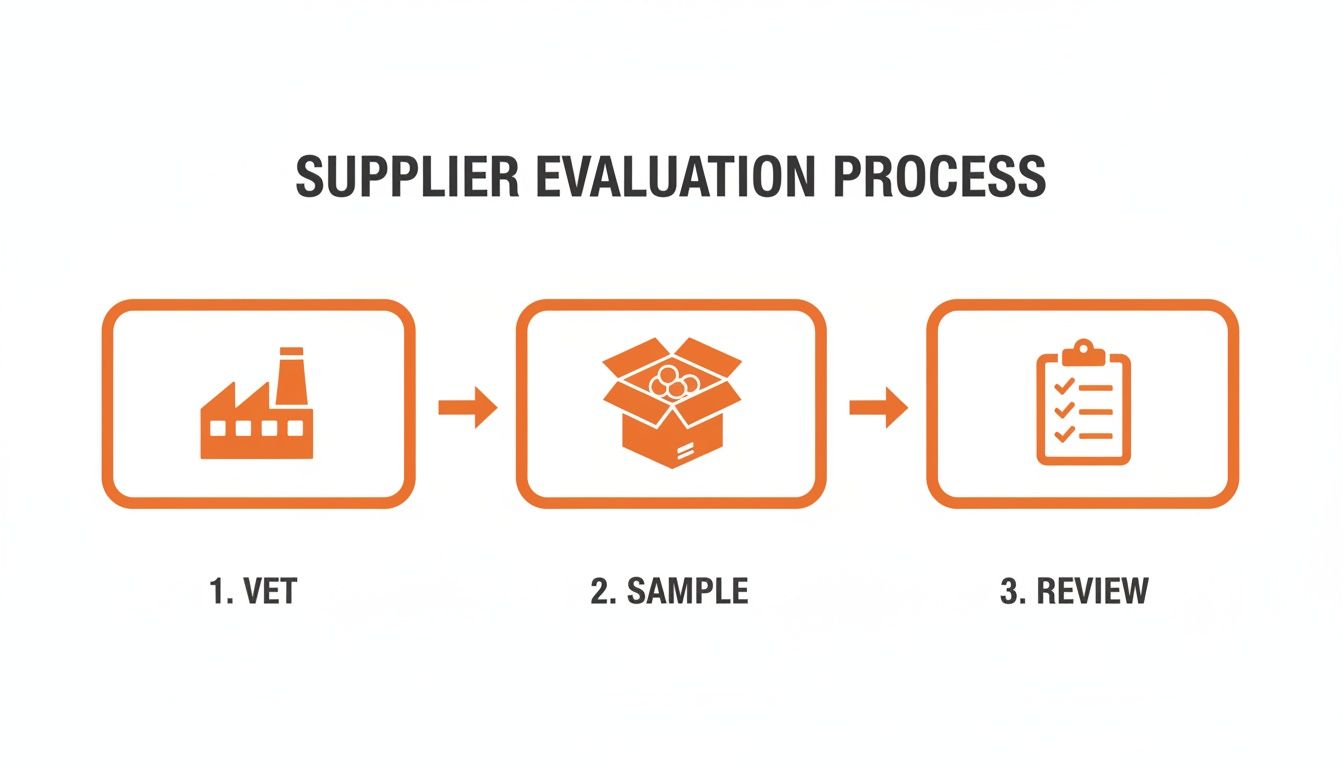
This process flow highlights Vet → Sample → Review, showing how each phase builds confidence before you book a full container.
Calculating Landed Costs
Landed cost combines every expense you’ll face—duties, fees, insurance and more. Break it down like this:
- Duties and Taxes: Vary by HS code and destination, usually 2%–5% on charm bracelets.
- Handling Fees: Port charges and terminal costs, around $50–$150 per shipment.
- Insurance: Covers loss or damage, roughly 0.3% of the declared value.
- Customs Broker Fees: What you pay for professional filing and clearance.
Solid packaging reduces breakage. Think padded boxes, bubble wrap and clear labeling to speed up inspections.
Tips For Consolidation
- Group smaller orders into one container to unlock better rates.
- Coordinate deliveries with your inventory schedule.
- Use bonded warehouses to defer duties until goods exit the zone.
- Compare FCL vs. LCL based on volume and urgency.
For deeper insight on working with overseas suppliers, check our detailed guide: Learn more about sourcing and shipping from China in our Wholesale Jewelry in China article.
“Accurate customs documentation and insurance coverage can reduce unexpected fees by up to 30 percent,” notes a logistics expert.
Proper customs paperwork includes:
- Commercial Invoice
- Packing List
- Certificate of Origin
Balancing speed and cost makes sure your wholesale jewelry charm bracelets arrive reliably and profitably.
Choosing carriers with strong performance ratings can cut transit delays by 15%. Real-time tracking minimizes surprises.
A marine insurance policy shields high-value loads from the unexpected. Sticking to a single Incoterm like CIF simplifies billing and responsibilities.
Track your shipping metrics—lead time variance and cost per unit—to optimize over time.
Efficient logistics boost margins and keep customers happy. Always build in a buffer for the unexpected.
Develop Pricing Strategies And Merchandising Tips
Getting your pricing right can feel like walking a tightrope. Too high, and you scare away window-shoppers; too low, and you leave money on the table. By sourcing affordably without compromising on finish quality, you can maintain competitive pricing that supports strong margins.
Smart merchandising, on the other hand, guides curious buyers straight to your most irresistible pieces.
Pricing Models Explained
Before you set a number, it helps to understand the main pricing models in our field. Below is a side-by-side look at the most common approaches.
Pricing Model Comparison
| Pricing Model | Description | Markup Percentage | Best For |
|---|---|---|---|
| Keystone Markup | Double the wholesale cost to set the retail price | 100% | Core collections |
| Tiered Discount | Price breaks based on volume thresholds | 5–15% off unit | Bulk orders and promotions |
| Anchor Pricing | Promote a standout piece to make other items look more affordable | Varies by tier | High-margin feature items |
Each of these models brings its own advantages. Keystone markup is simple and predictable. Tiered discounts reward bigger buys. Anchor pricing draws attention to your showstopper designs.
For instance, a gold-plated charm bracelet costing $5 wholesale can retail at $10 under the keystone method. Order 200 units? Your cost might drop to $4.25 apiece with a tiered discount—thanks to smart sourcing.
Managing Margins And Discounts
Maintaining healthy margins means accounting for every dollar spent—platform fees, packaging, shipping and more.
Tips For Margin Control
- Factor in 15–30% in marketplace or payment fees
- Set aside $0.50 per bracelet for packaging, labels and inserts
- Review competitor prices each quarter to stay in line
Tip: 73% of retailers report improved profit margins after adopting tiered pricing.
Use off-peak seasons to clear out slow-moving stock with targeted discounts rather than across-the-board cuts.
Positioning Your Charm Bracelets
Where you place a bracelet display can make all the difference. Point-of-sale stations are perfect for impulse buys, while endcaps or feature walls elevate your hero items.
Key Merchandising Tips
- Rotate trays weekly to spotlight limited-edition pieces
- Mix shapes and colors for contrast and eye appeal
- Label collections with themes like “Travel Memories” or “Birthstone Treasures”
EcoCharm Store, for example, saw a 12% upsell increase after refreshing their showcase every two weeks.
Storytelling Tactics That Add Value
A bracelet is more than metal and stones—it’s a story waiting to be told. Theme your displays around customer personas: think “Graduate Keepsakes” or “Hawaiian Getaway” layouts.
“Buyers connect emotionally when a display conveys a narrative,” says visual merchandiser Emma Wright.
Building a backstory can boost perceived value by up to 20%. Consider featuring real customer photos or brief testimonials alongside each charm set.
Display Checklist For Retail And E-Commerce
Whether your charms live in a brick-and-mortar boutique or online, consistency is key.
In-Store Checklist
- Use sturdy racks at eye level, holding 10–15 bracelets each
- Group items by color, theme or material to simplify browsing
- Update layouts weekly to match seasonal trends
- Refresh price tags and discount labels daily
- Add QR codes that link to styling guides or ordering pages
Online Checklist
- Offer high-resolution shots from multiple angles
- Write concise, emotive descriptions with charm backstories
- Promote bundle deals and volume-discount banners prominently
Learn more about fine-tuning your numbers with our Wholesale Profit Margin Calculator.
Testing And Refinement
No plan is set in stone. Run A/B tests on markup rates and display layouts each quarter to see what truly resonates.
Track these metrics for clear insights:
- Units sold per display
- Average order value
- Conversion rates on featured products
Use heat-map tools to identify high-traffic spots on your site or in your store. Then adjust anchor prices and hero placements until both your margins and your showcases feel fresh and profitable.
Frequently Asked Questions
How Can I Start Sourcing Wholesale Jewelry Charm Bracelets With A Limited Budget?
To kick things off, order sample packs from suppliers that don’t enforce a minimum order quantity. This lets you inspect the quality firsthand without tying up a lot of cash. Focus on vendors known for balancing high-grade materials and low unit prices.
Next, gauge your customers’ preferences by showcasing these samples in-store or online before you commit to a bulk purchase.
Low-Cost Supplier Options
- Look for platforms offering no minimum order quantities to prevent excess inventory.
- Compare factory-direct quotes to find units 15–30% below typical wholesale rates.
- Hunt for first-time buyer promos—many vendors hand out 15% off on initial orders.
What Materials Balance Cost And Customization?
Start with budget-friendly bases like stainless steel, alloy, or gold-plated metals. Then layer in accents—think enamel or glass charms—when your budget allows. This approach lets you mix and match appeal without blowing your startup funds.
- Stainless Steel for durability at $1 per unit
- Alloy Charms in the $2–$4 range each
- Gold-Plated pieces at about $5 apiece
Once you’ve locked in materials, turn your attention to trimming shipping costs. Consolidate smaller orders into a less-than-container-load (LCL) shipment or work with suppliers who waive freight fees on orders above $150.
Packaging Hacks That Impress
- Select branded organza pouches or recycled kraft boxes for under $0.50 apiece.
- Slip in a thank-you card featuring styling tips to encourage repeat buys.
- Seal packages with a custom logo sticker—an easy branding touchpoint.
What Shipping Methods Are Best For Charm Bracelets?
If you need speedy turnaround on small lots, air freight runs about $8–$12 per kg.
For medium-sized orders, sea freight (LCL) can drop costs to around $0.50 per kg.
Express couriers shine when you’re refilling stock fast—expect roughly $10–$15 per kg.
| Shipping Method | Cost Per Kg | Best For |
|---|---|---|
| Air Freight | $8–$12 | Urgent small batches |
| Sea Freight (LCL) | $0.50 | Bulk orders |
| Express Courier | $10–$15 | Samples and reorders |
What Marketing Tactics Help Sell Charm Bracelets Quickly?
Impulse displays can lift add-on sales by around 20%. Live demos on social media spark flash purchases. And emails featuring user-generated photos boost credibility.
“Our pop-up shop saw a 30% uplift using themed bundle promotions,” says retail specialist Emma Wright.
Effective Marketing Strategies
- Craft themed sets like Birthstone Treasures or Travel Memories.
- Run bundle deals (e.g., buy three charms, get one free) to raise average order value.
- Feature authentic customer shots in newsletters to build trust.
Tracking Performance Metrics
- Monitor weekly units sold per SKU to spot your best-sellers.
- Track average order value to see if bundles resonate.
- Log return rates to catch any quality or sizing problems early.
With these insights, you can swap out underperforming themes or tweak finishes to keep interest high.
How Can I Leverage Customer Feedback To Improve Offers?
Follow up after purchase with a quick survey and a 10% discount code for reviews. Use the feedback to refine designs, adjust price points, and upgrade packaging.
This FAQ is your quick-reference roadmap—check your analytics dashboard monthly to stay in sync with trends and inventory needs.
—
Ready to source quality charms at unbeatable prices? Browse over 120,000 SKUs at JewelryBuyDirect.