






Arthur Lynch | Wed Aug 20 2025
Starting a Jewelry Business: An Actionable Guide for Founders
Starting a jewelry business is about so much more than just beautiful designs—it's about building a brand from the ground up with a solid, strategic plan. To truly succeed, you need to find your corner of the market, create a brand that people connect with, source your materials responsibly, and figure out the best way to get your pieces into your customers' hands. This is your actionable roadmap to navigating the modern jewelry world.
Your Blueprint for a Modern Jewelry Brand

Launching a jewelry business today is an incredible opportunity. You're entering a market driven by a real hunger for personalization and authenticity. People aren't just buying an accessory anymore; they're investing in a piece that tells a story, reflects their personal values, and becomes part of their identity.
This first phase is all about laying a strong foundation. Before you even think about designing a piece or contacting a supplier, you have to get a crystal-clear view of the industry and exactly where you fit in.
Understanding the Modern Jewelry Market
The jewelry market is not just big; it's booming. By 2025, the global market hit an estimated value of around $348 billion, and it's still growing. That number alone shows just how much opportunity is out there for new designers and entrepreneurs.
Fine jewelry makes up a huge chunk of this, claiming about 68% of the market share. The United States is a massive player, accounting for nearly 25% of all global jewelry consumption. At the same time, markets in the Asia-Pacific region are expanding quickly, thanks to rising incomes and a deep cultural appreciation for jewelry. For a deeper dive, you can explore more of these global jewelry industry trends on carattrade.com.
This growth means there’s plenty of room for unique brands to thrive. In fact, many of today’s most successful newcomers are those who’ve carved out a specific niche that truly speaks to a dedicated audience.
A successful jewelry brand is built on more than just beautiful products. It's built on a clear vision, a deep understanding of its customer, and a story that connects on an emotional level.
To give you a high-level overview, here's a quick look at the core stages we'll be covering. Think of this table as your launch checklist—the essential pillars that will support your business as it grows.
Core Pillars of Your Jewelry Business Launch
| Stage | Key Objective | Actionable Focus |
|---|---|---|
| Foundation & Research | Validate your idea and find your unique market position. | Analyze global and regional trends, define your ideal customer persona, and choose a profitable niche. |
| Brand & Identity | Create a memorable brand that connects with your audience. | Develop your brand story, name, logo, and a cohesive visual aesthetic for packaging and marketing. |
| Sourcing & Production | Establish a reliable and ethical supply chain. | Decide between handcrafting or manufacturing and vet potential suppliers by ordering samples. |
| Launch & Sales | Set up your sales channels and go to market. | Build your e-commerce store, select marketplaces, and execute a launch marketing plan on visual platforms. |
Each of these pillars is a critical step in turning your creative vision into a tangible, successful business. Let's start by breaking down exactly what you need to focus on right from the get-go.
Key Pillars for Your Launch
To build a brand that lasts, you have to nail these core areas from day one. They form the entire structure of your business strategy and will guide every decision you make.
- Market Analysis and Niche Identification: Who are you really selling to? What gap in the current market is your brand perfectly positioned to fill?
- Brand Identity and Storytelling: What does your brand stand for? How will your name, logo, and even your packaging tell your unique story and make people feel something?
- Sourcing and Production: Are you going to handcraft every piece yourself, collaborate with artisans, or find a manufacturing partner? More importantly, how will you ensure top-notch quality and ethical practices?
- Sales Channels and Launch Strategy: Where will customers find your jewelry? Will you launch your own e-commerce site, sell on a marketplace like Etsy, or start with in-person pop-ups?
Pinpointing Your Niche in a World of Jewelry
Before you even think about sketching a design or sourcing a single gemstone, the real work begins. You have to figure out where you fit in. Launching a jewelry business that actually succeeds means carving out your own unique space in a very crowded market. This isn't just about making what you love; it's about finding that sweet spot where your creative vision meets a real customer's desire.
The first move is to become a student of style—not just locally, but globally. The jewelry world is vast, with different trends taking hold in different corners of the globe. What’s flying off the shelves in one country might completely flop in another. Understanding these cultural nuances is your secret weapon.
What's Selling Around the World?
Let's look at the current playing field. A dominant global trend is sustainable and ethical jewelry, with consumers increasingly demanding recycled metals and conflict-free gemstones. Alongside this, personalization (initials, birthstones, custom engravings) remains a consistent bestseller worldwide.
However, stylistic trends show significant regional variation:
- North America & Western Europe: The "quiet luxury" aesthetic continues to thrive. This translates to minimalist designs, delicate gold layering necklaces, permanent bracelets, and high-quality, understated pieces perfect for everyday wear. Think subtle, personal, and timeless.
- Latin America: The style is often bolder and more expressive. Look for vibrant, colorful gemstone statement pieces, intricate metalwork, and designs that incorporate cultural motifs and natural materials. The energy is expressive and joyful.
- Asia-Pacific: This region shows diverse tastes. In East Asia, there's a strong demand for classic fine jewelry (especially 24k gold and jade) and delicate, feminine designs. In South Asia, particularly India, intricate bridal jewelry and bold gold pieces with traditional craftsmanship are highly valued.
- Middle East: Consumers here often favor luxurious, high-carat gold jewelry, opulent gemstone sets, and pieces that make a bold statement, reflecting a deep cultural appreciation for visible wealth and ornate design.
Knowing this kind of regional intel is gold. It helps you position your brand, whether you’re aiming to be the local go-to or you have dreams of selling internationally.
The best brands don’t just chase trends; they interpret them. They find that perfect intersection between what's hot and what's true to their own story, and that’s where the magic happens.
Practical Tools for Spotting Real Opportunities
A gut feeling is great, but hard data is better. Luckily, you have some incredibly powerful tools right at your fingertips that can give you a direct line into what people are actually searching for, saving, and buying.
- Pinterest Trends: This is a visual goldmine. Don't just type in "jewelry." Get granular. Try searching for terms like "permanent jewelry," "upcycled vintage earrings," or "boho beaded necklaces." The tool shows you how search interest has waxed and waned over time, letting you catch a trend on its way up, not on its way out.
- Instagram & TikTok Deep Dives: Stop scrolling and start analyzing. Look at what your potential competitors are doing. Which posts are getting all the likes and comments? What are people saying? Are they begging for a silver version or asking if a custom size is possible? That’s free, direct-from-the-source market research.
- Etsy & Marketplace Recon: Spend some time browsing the best-seller lists in the jewelry categories on sites like Etsy. Notice how top sellers talk about their products, the kind of photos they use, and the specific corners they own—think "celestial-themed engagement rings" or "eco-friendly resin jewelry."
Using these tools, you can go from a vague idea to a validated niche. For example, maybe you spot a huge spike for "birth flower" necklaces on Pinterest and see that personalized pieces are getting tons of love on Instagram. Boom. That's a strong signal that a niche in custom, botanical-themed jewelry could be a winner.
From Big Ideas to a Sharp Focus
With all this intel gathered, it's time to stake your claim. A niche isn't just a style; it can be a material, a story, a specific customer, or even a cause. The luxury jewelry segment alone is a beast, projected to hit $109.2 billion by 2032 with a strong growth rate of 8.1%. A massive 66.6% of that market share is driven by the Asia Pacific region, proving just how powerful regional focus can be. You can dive deeper into the luxury jewelry market dynamics on luxuryabode.com.
Your niche is how you get a piece of that pie without getting lost in the crowd. Here are a few real-world examples of niches that cut through the noise:
- Material-Obsessed Brands: Some brands build their entire world around one specific material. It could be anything from rings made from upcycled antique silverware to stunning pieces crafted exclusively from ethically sourced sea glass.
- Cultural Storytelling: Creating designs that celebrate a specific cultural heritage is incredibly powerful. It connects with people on a much deeper level than just aesthetics, telling a story that resonates.
- Jewelry with a Mission: More and more brands are tying their work to a cause, donating a portion of profits to something like ocean conservation or animal rescue. The jewelry becomes a wearable symbol of the customer's values, forging a much stronger bond with your brand.
By zeroing in on your niche, you’re also defining exactly who you're talking to. That clarity is everything. It will shape every decision you make from here on out—your brand name, your packaging, your marketing—ensuring you're speaking directly to the people who are going to absolutely love what you create.
Laying the Foundation: Sourcing Your Jewelry and Building Your Brand
Okay, you've pinpointed your niche. Now comes the really exciting part: turning those ideas into something real. This is where you'll build a brand that people connect with and figure out exactly how you'll get your beautiful jewelry into their hands. It’s about creating a tangible product and an unforgettable identity.
A powerful brand is so much more than a pretty logo. It's the story, the feeling, the reason a customer picks your delicate gold necklace over a dozen others that look similar. It’s woven into your name, your colors, your packaging—every single touchpoint should echo the unique space you’ve decided to own.
This image really gets to the heart of it all. It’s about that hands-on passion, the meticulous process of turning a concept into a wearable piece of art. That's the kind of craftsmanship and dedication that customers truly fall in love with.
Creating a Brand That Sticks
Think of your brand identity as your business’s personality. It needs to feel authentic to you and, more importantly, resonate deeply with your ideal customer. What feeling are you going for? Timeless sophistication? Boho and free-spirited? Playful and trendy?
Start by brainstorming names. You want something memorable and easy to spell that gives a little hint about your style. For example, a brand built around earthy, natural stones might lean into a nature-inspired name, while a high-end line might choose something that sounds classic and refined.
From there, you can build out your visual world:
- Your Logo: Keep it simple. It has to look great as a tiny website favicon and just as good stamped on a jewelry box. Scalability is key.
- Your Color Palette: Pick a few core colors that set the mood. Think soft pastels for a bridal collection or bold, saturated hues for a brand that’s all about making a statement.
- Your Packaging: Don't underestimate the power of the unboxing experience. A beautifully branded box, a custom pouch, or even a simple handwritten thank-you note can make a huge impression and get people sharing on social media.
Pro-Tip: Your origin story is your secret weapon. Weave it into your 'About' page and social media. Did you start this as a hobby? Are your designs inspired by your travels? Sharing that personal "why" creates a powerful connection that builds real loyalty.
How Will Your Jewelry Be Made?
With a brand vision starting to form, it’s time for a critical decision: how will you actually source or create your jewelry? This choice will directly impact your startup costs, your ability to grow, and how you spend your days. Will you be the artisan at the bench, the sharp-eyed curator, or the director overseeing production?
There’s no single right answer. It all comes down to your skills, your budget, and what you ultimately want your business to become. Let’s walk through the main ways people do this.
Jewelry Sourcing Models: A Comparison
Choosing your sourcing model is a foundational decision. This table breaks down the most common paths to help you figure out which one aligns best with your vision and resources.
| Sourcing Model | Pros | Cons | Best For |
|---|---|---|---|
| Handcrafting | Total creative control; unique, one-of-a-kind pieces; strong brand story. | Time-consuming; difficult to scale; requires specialized skills and tools. | Artisans and designers who want to create bespoke or small-batch collections. |
| Wholesale | Quick to start; wide product variety; no manufacturing overhead. | Lower profit margins; high competition with similar products; less brand uniqueness. | Boutique owners and curators who want a diverse inventory without handling production. |
| Manufacturing | High potential for scale; lower cost per unit; consistent quality. | High upfront investment; requires detailed tech packs; potential communication barriers. | Brands with proven designs ready to produce in large quantities. |
| Dropshipping | No inventory management; low startup costs; easy to test new products. | Very low profit margins; no control over quality or shipping; reliant on third-party stock. | Entrepreneurs testing market demand or looking for a low-risk entry point. |
Each model offers a different path forward. There's no "best" one—only the one that's best for you.
For boutique owners, working with a wholesaler is often a fantastic strategy. It lets you curate a stunning and varied collection without getting bogged down in the complexities of production. If that sounds like your path, this guide on finding the right wholesale jewelry for boutiques is a great place to start.
Finding Good Suppliers and Knowing Your Materials
No matter which model you pick, vetting your suppliers is non-negotiable. If you're buying from a wholesaler or manufacturer, always order samples before committing to a large purchase. Check the quality, the feel, the consistency. Ask them about their production process and ethical standards. A trustworthy supplier is worth their weight in gold.
You also need to become an expert on the materials you sell. Customers will ask questions, and answering them with confidence is how you build trust.
- Gold Plated: A base metal (like brass) gets a very thin layer of gold. It’s budget-friendly but can wear off with time and use. Be transparent about this!
- Gold Vermeil: This is a step up. It's a much thicker layer of gold over a sterling silver base. It's more durable and has a higher perceived value than standard plating.
- Gold Filled: Here, a substantial layer of gold is heat-bonded to the base metal. This is far more durable than plating and offers a fantastic balance of quality and price.
Being crystal clear about materials in your product descriptions isn’t just good business—it’s how you manage expectations and build a brand people know they can rely on.
Getting Your Business on the Books: Legal and Financial Setup
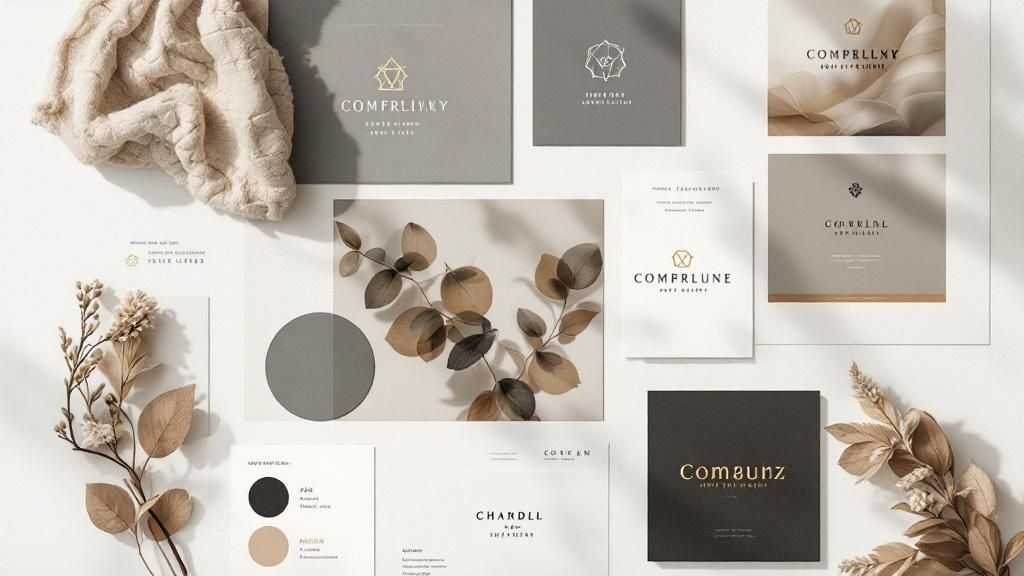
With a clear vision for your brand and a solid sourcing plan, it's time to build the formal structure that will protect your creative work. This part is less about design and more about diligence, but getting it right is what turns a passion project into a real, sustainable business.
Think of it as the foundation for the house you're building. A solid legal and financial framework means you can grow with confidence, without worrying about cracks appearing down the line. Let's walk through the essentials to get you set up properly from the start.
Choosing Your Business Structure
The first big decision you’ll make is how to legally structure your company. This choice impacts everything from your personal liability to how you'll handle taxes. For most new jewelry entrepreneurs, it usually comes down to two common paths.
- Sole Proprietorship: This is the simplest and most common way to start. Legally, you and your business are one and the same, which means the setup is incredibly straightforward. The downside? Your personal assets aren't separate from your business debts.
- Limited Liability Company (LLC): Forming an LLC creates a legal wall between you and your business. This is huge—it protects your personal assets like your home or car if the business ever faces debt or legal trouble. It requires a bit more paperwork and upkeep, but the protection is invaluable.
For many, the peace of mind an LLC provides is well worth the extra effort. It establishes a professional, protected entity right out of the gate.
Making It Official with Registrations and Licenses
Once you've picked a structure, you need to register your business to make it official. If you're operating under a name that isn't your own legal name (a "doing business as" or DBA), you'll almost certainly need to register that name with your state or local government.
Next up, you have to dig into the necessary permits and licenses, which can vary wildly depending on where you live. You'll likely need some combination of these:
- A general business operating license from your city or county.
- A seller's permit (or resale license) to purchase wholesale materials without paying sales tax.
- A sales tax permit, which allows you to legally collect sales tax from your customers.
Your local Small Business Administration (SBA) office or government website is the best place to find a checklist specific to your area. Ticking these boxes now prevents fines and legal headaches later.
Pricing Your Jewelry for Actual Profit
This is where so many creative entrepreneurs go wrong. Undervaluing your work is the fastest way to burn out and close up shop. Pricing isn't just about covering the cost of your materials; it's about paying yourself for your time, skill, and creativity while building a truly profitable business.
A classic rookie mistake is just doubling the cost of materials. That simple formula almost always ignores your labor, overhead, and any real profit margin.
Key Takeaway: Profitable pricing has to account for materials, your time, all overhead costs (like website fees and marketing), and a healthy profit margin. Don't just cover your costs—price for growth.
To build a sustainable model, you have to factor in all the variables. Start by adding up the cost of materials and packaging. Then, assign yourself a fair hourly wage for your labor. Finally, add a percentage for overhead. For a detailed breakdown and tools to make this critical step easier, using a wholesale profit margin calculator can be a game-changer.
Managing Your Finances Like a Pro
Good financial habits are non-negotiable if you want your business to thrive. The single most important thing you can do right now is open a separate business bank account. Mixing your personal and business finances is a recipe for chaos and creates a nightmare come tax season.
A dedicated business account makes tracking your income and expenses clean and simple. From day one, get in the habit of using a business debit or credit card for every single business-related purchase—from a new batch of gemstones to shipping labels.
To make life even easier, consider using simple accounting software. It will help you see where your money is going, monitor your profit, and prepare for taxes without any last-minute panic. Putting these systems in place now is one of the smartest investments you can make in your business's future.
Setting Up Your Online Store and Marketing Your Brand
Alright, you’ve got your stunning collection ready and the business side is legally squared away. Now for the exciting part: building your digital storefront and getting the word out. This is where your brand truly comes to life, creating an online home where customers can discover your pieces, connect with your story, and ultimately, make a purchase. Having a great online presence isn't just a nice-to-have anymore; it's the very engine of a modern jewelry business.
The move to digital is impossible to ignore. For anyone starting or growing a jewelry brand today, e-commerce is the central channel. It’s just how people shop now. Global online jewelry sales are on a massive upward trajectory, expected to hit nearly $104 billion by 2030—a huge jump from $75.3 billion just a few years ago. This explosive growth tells us one thing loud and clear: customers are more than comfortable buying beautiful, high-value items online, especially when they're drawn in by smart marketing and a great shopping experience. You can see more on these powerful jewelry consumer trends on jewel360.com.
Choosing the Right E-commerce Platform
Think of your e-commerce platform as the foundation of your online business. It’s where you’ll display your work, handle payments, and manage every order. For most new jewelry entrepreneurs, the choice boils down to two main players: Shopify and Etsy. Each has its own strengths.
-
Etsy: Imagine Etsy as a giant, bustling arts and crafts fair. It’s a fantastic starting point because it comes with a built-in audience of people actively looking for unique, handmade items. You can get your first sales without a huge marketing budget. The downside? You're just one booth among thousands, which makes it tough to build a standalone brand, and the fees can eat into your margins.
-
Shopify: Going with Shopify is like opening your very own boutique on a prime street. You have total creative control—from the look and feel of your website to the entire customer experience. This is the way to go if you’re serious about building a lasting, scalable brand. It means you’re responsible for bringing in your own customers, but the upside for growth and brand ownership is immense.
Our Takeaway: My advice? If you're just testing the waters and want to tap into a ready-made market, start on Etsy. When you're ready to build a distinct brand, own your customer relationships, and really scale, it’s time to move to Shopify (or just start there from day one).
Creating a Storefront That Shines
In the world of jewelry, visuals are non-negotiable. Your customers can’t hold your pieces or see them sparkle under the light, so your photos and product descriptions have to do all the work. A polished presentation builds instant trust and makes your jewelry feel completely irresistible.
Your product photography has to be top-notch. This doesn't mean you need a pro-level camera setup, but it does require a sharp eye for lighting, focus, and a consistent look across all your listings.
The Must-Have Jewelry Shots:
- The Hero Shot: A clean, crisp image of the piece against a simple, neutral backdrop (white and gray are classics for a reason).
- The Scale Shot: A photo showing the jewelry on a model or a bust so customers can get a real sense of its size and how it hangs.
- The Detail Shot: A close-up or macro shot that shows off the fine craftsmanship—the texture of the metal, the facets of a stone, or a unique clasp.
- The Lifestyle Shot: An image that tells a story, showing the jewelry being worn in a setting that matches your brand's vibe.
And don't just list specs in your product descriptions. Sell the feeling. Use vivid language to describe the inspiration behind the design, how the metal feels against the skin, and the confidence it might bring the wearer. Weave your brand story into every description to forge that crucial emotional connection. For a deeper dive, our guide on how to sell jewelry online is packed with more strategies.
Your Go-To-Market Plan
With your store polished and ready for visitors, you need a plan to attract them. A great marketing strategy for a jewelry business today is intensely visual, community-driven, and built on making real connections.
Get Seen on Visual Social Media
Instagram and Pinterest are your best friends here. They are visual-first platforms, making them the perfect stage for your jewelry.
- Instagram: A mix of content works best. Use stunning, high-quality photos for your feed, go behind-the-scenes with casual Stories, and create captivating Reels. Show your workbench, share photos from happy customers (always ask permission!), and use polls to get your audience’s opinion on new designs.
- Pinterest: Don't think of Pinterest as just social media; it’s a visual search engine. Create beautiful pins that link directly to your product pages. Build boards that capture your brand's lifestyle, like "Bohemian Summer Style" or "Minimalist Wedding Ideas," to attract people who are already looking for what you offer.
Work with the Right Influencers
Influencer marketing can be a game-changer for building credibility. The secret is finding partners who genuinely fit your brand's style and values. I’d recommend focusing on micro-influencers—people with smaller but highly engaged followings in your niche.
Their audience trusts their recommendations far more than a celebrity endorsement. A partnership can be as simple as gifting a piece in exchange for a story and post, or you could offer a unique discount code for their followers.
Build Lasting Loyalty with Email
Please, don't sleep on email marketing. Your email list is one of the only marketing channels you truly own. You're not at the mercy of some algorithm change.
Get people to sign up by offering a small discount on their first order. From there, use email to build a real relationship.
Email Campaigns That Actually Work:
- Welcome Series: As soon as someone signs up, send a short series of emails introducing them to your brand story and highlighting a few of your best-sellers.
- Exclusive Access: Make your subscribers feel special. Give them early access to new collections or subscriber-only sales.
- Behind-the-Scenes Content: Share a peek into your studio or tell the story behind a new piece. This kind of content makes your subscribers feel like true insiders.
By combining a beautiful online store with a smart, authentic marketing plan, you'll create a powerful system that not only attracts new customers but turns them into loyal fans who will support your business for years to come.
Got Questions About Starting a Jewelry Business?
Stepping into the world of jewelry is exciting, but it definitely brings up a lot of practical questions. As you shift from dreaming up designs to actually running the business, it's totally normal to get stuck on the details. Let's tackle some of the most common hurdles new founders face.
How Much Money Do I Actually Need to Start?
This is the million-dollar question, right? But the answer doesn't have to be a million dollars. Honestly, it all comes down to the kind of business you want to build.
You can absolutely get a lean startup off the ground for as little as $500. This is perfect if you're thinking about dropshipping or assembling handcrafted pieces from components you buy wholesale.
That initial budget usually covers the essentials:
- Your Starter Kit: Basic tools, some initial materials (think beads, wires, findings), and simple branded packaging.
- Making It Official: Fees for business registration and your e-commerce platform subscription (like Shopify).
- Getting the Word Out: A small ad budget for Instagram or a few influencer collaborations to create some early buzz.
Now, if your dream involves fine jewelry—working with precious metals, diamonds, or custom manufacturing—your startup costs will be much higher. We're talking several thousand dollars to cover specialized equipment, more valuable materials, and larger inventory buys.
What's the Best Way to Ship Fragile Jewelry?
Making sure your beautiful pieces arrive safely is crucial. It’s a make-or-break moment for customer satisfaction, and a cheap bubble mailer just sends the wrong message. Your packaging has to be as thoughtful as your jewelry.
Invest in small, sturdy jewelry boxes. Use soft inserts like cotton or foam to stop the piece from rattling around. For an extra layer of security, I always recommend wrapping the jewelry box in bubble wrap before putting it into a padded mailer or another small shipping box.
And here’s a pro-tip: always, always offer tracked shipping. It gives both you and your customer peace of mind and is a lifesaver if a package goes missing.
Your customer's unboxing experience is the final, and often most memorable, part of their purchase. A well-packaged item doesn't just protect the jewelry; it screams professionalism and reinforces the value of what's inside.
What Jewelry Trends Are Actually Selling Right Now?
Keeping a finger on the pulse of what's popular is how you stay relevant. The biggest global trend right now? Personalization. Anything with birthstones, initials, or custom engravings is flying off the shelves. People want jewelry that tells their story.
Of course, trends can vary by region. In the US and Europe, "permanent jewelry"—those delicate chains welded right onto a wrist or ankle—is incredibly popular. Meanwhile, in many parts of Asia and the Middle East, you'll see a huge demand for bold, colorful gemstone pieces and intricate gold designs that often carry cultural meaning.
The sweet spot is finding where a big, lasting trend like personalization meets a specific style that feels true to your brand.
Ready to find high-quality, on-trend pieces for your new shop? At JewelryBuyDirect, we give you direct-from-factory pricing on over 120,000 styles with no minimum order. Explore our wholesale collection and start building your dream inventory today.