






Arthur Lynch | Sat Aug 16 2025
How to Start a Reselling Business From Scratch
Starting a reselling business is a straightforward concept: find products people want, buy them at a low cost, and sell them for a profit. It's a business model that can start as a side hustle clearing out your own closet and scale all the way up to a full-time operation. Nailing your success comes down to three things: picking the right niche, mastering your inventory sourcing, and choosing the best platforms to sell online.
Finding Your Profitable Reselling Niche
Your journey into reselling kicks off with one critical decision: what are you going to sell? This isn't just about picking items you like. The sweet spot is the intersection of your personal interests, genuine market demand, and solid profit margins. Think of your niche as the foundation of your business—it dictates everything from your sourcing strategy to your marketing message.
Without a clear focus, you'll end up trying to sell a little bit of everything, which is a fast track to burnout. That approach makes it nearly impossible to build a recognizable brand or a loyal customer base. Instead, when you zero in on a specific category—say, vintage concert tees, rare board games, or designer handbags—you can become the go-to expert and stand out from the crowd.
Identify Your Passion and Expertise
The most effective place to start is with what you already know and love. Are you a sneakerhead who can spot a fake from a mile away? Maybe you have an eye for mid-century modern furniture or know every detail about first-edition books. Turning your hobby into your business gives you an immediate competitive advantage.
- You understand the product. You already know what makes an item valuable, the key details to look for, and exactly what an enthusiast wants.
- The hunt is half the fun. Sourcing inventory feels less like a chore when you’re genuinely excited about what you’re searching for.
- You speak the language. Your product descriptions will feel authentic and connect with buyers because you share their passion.
Starting with what you know and love dramatically shortens the learning curve. It turns what could be a daunting research task into just another part of a hobby, making those early days of your business feel far more exciting and less like a grind.
Research Market Demand and Profitability
Passion is a great starting point, but you need data to validate it. You must confirm that people are actively paying good money for the items you want to sell. The most actionable way to do this is to go on platforms like eBay, Etsy, or Poshmark and dive into the "sold" listings. Don't waste time looking at what people are asking for—focus on what has actually sold and for how much. That’s your gold-standard indicator of real-world demand.
The image below gives you a sense of how different reselling models stack up when it comes to startup costs and potential profit, which is a huge factor in choosing your niche.
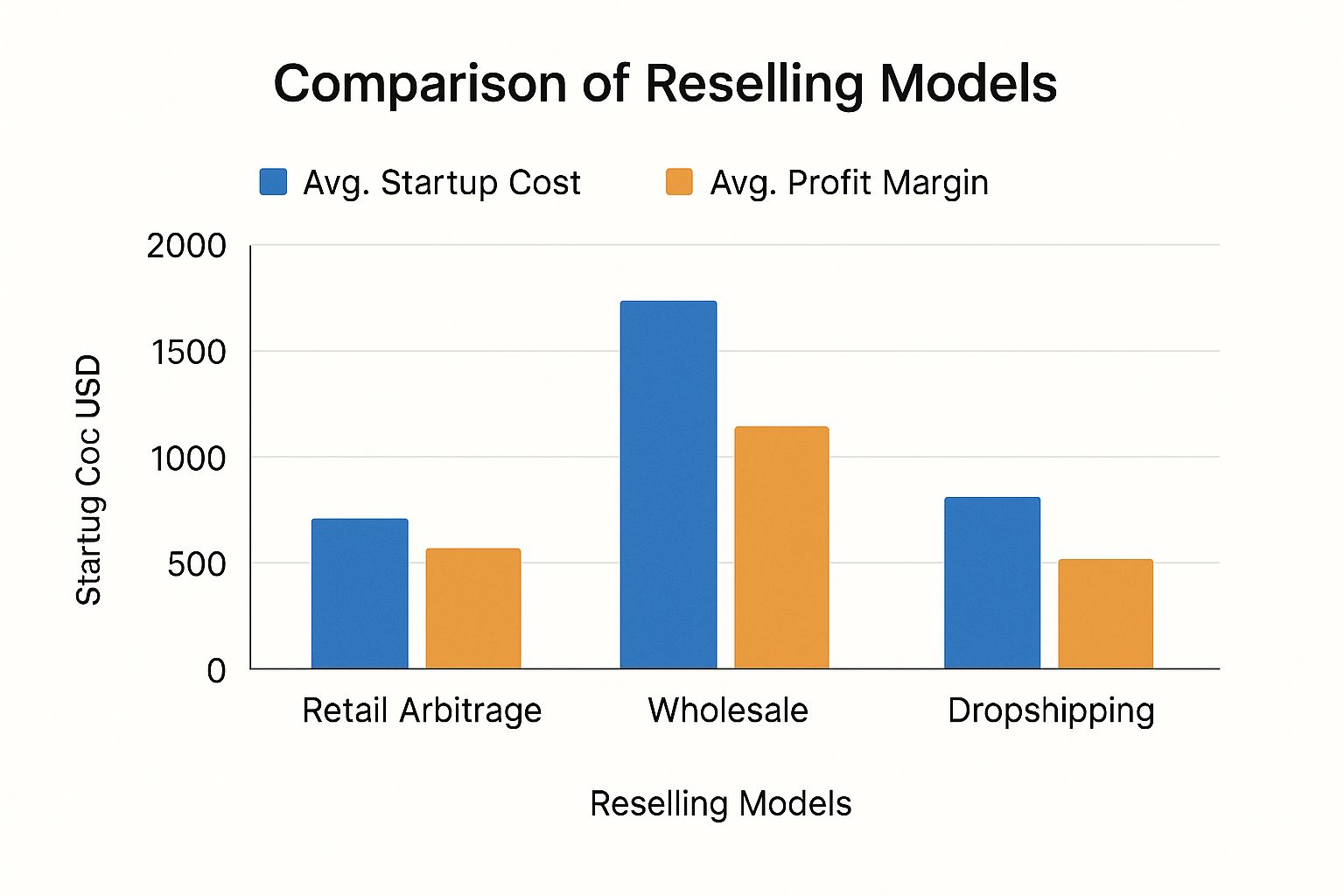
As you can see, while retail arbitrage is the cheapest way to get started, a wholesale model often leads to more stable, higher profit margins over the long run—something to keep in mind.
To help you brainstorm, let's look at a few popular categories side-by-side.
Comparing Popular Reselling Niches
This table breaks down some common reselling niches to give you an idea of their potential profit margins, how hard it is to find good inventory, and where you're most likely to find buyers.
| Niche Category | Typical Profit Margin | Sourcing Difficulty | Ideal Sales Platform |
|---|---|---|---|
| Vintage Clothing | 50-300% | Medium | Depop, Etsy, eBay |
| Electronics & Parts | 20-70% | High | eBay, Swappa |
| Designer Handbags | 30-100% | High | The RealReal, Poshmark |
| Collectibles (Toys, Cards) | 100-1000%+ | Varies | eBay, Whatnot |
| Niche Books | 50-500% | Low | Amazon, AbeBooks |
Choosing the right niche often involves balancing high-profit potential with the reality of sourcing. While collectibles can offer huge returns, finding them is the real challenge. Books, on the other hand, are easier to source but may offer smaller, more consistent profits.
Capitalize on Global and Regional Trends
The worlds of fashion and collectibles are always changing, and the most successful resellers are masters at spotting a trend just before it explodes. Pay close attention to what's happening both globally and in your local market. For example, the massive comeback of Y2K fashion created a gold rush for vintage Juicy Couture tracksuits and low-rise jeans. On a local level, a hometown sports team winning a championship can create a huge, short-term demand for vintage team gear.
The global reseller market is booming, projected to jump from a $167 billion industry to nearly $180 billion by 2027. This growth is especially hot in Southeast Asia and South Asia; India's direct sales market alone is expected to almost double. By tapping into hot categories like wellness and beauty, you can position your business right in the middle of this expansion. You can learn more about these global direct selling growth hotspots to see where the biggest opportunities lie.
Mastering the Art of Finding Your Inventory

Alright, you’ve picked your profitable niche. Now for the fun part—the treasure hunt for products. This is where the real work begins, and what truly separates a casual hobby from a serious business is a consistent, reliable way to source high-quality inventory.
While hitting up the local thrift store is a classic starting point, building a sustainable business means you can't rely on just one channel. You need a multi-faceted sourcing strategy. Forget aimless browsing; it's time to build a pipeline of profitable items so you never run out of things to sell.
Thinking Beyond the Thrift Store Bins
Don't get me wrong, thrift stores and garage sales are fantastic for getting your feet wet. The buy-in cost is low, and you can learn a ton. But if you want to scale, you have to think bigger. The most successful resellers have a network of sources, often tapping into places with far less competition.
Here are a few actionable sourcing channels to explore:
- Local Estate Sales: These are goldmines for unique, high-quality finds like vintage jewelry, designer clothing, and rare collectibles. Actionable Tip: Use websites like EstateSales.net to find sales near you, and look at the photo galleries beforehand to pre-scout for items in your niche.
- Online Liquidation Auctions: Websites sell pallets of returned or overstock goods. This is where you can score brand-new items for a fraction of retail. Actionable Tip: Focus on "manifested" lots where you can see a list of the contents. Always factor shipping costs into your bid.
- Facebook Marketplace & Local Groups: People often undervalue what they're selling locally. Actionable Tip: Set up saved searches for specific keywords like "vintage sterling silver" or "90s band tees" to get instant notifications and be the first to make an offer.
The real secret to sourcing isn't about finding one perfect spot. It's about creating a web of reliable channels. When one well runs dry, you'll have several others to fall back on, which is crucial for keeping your business stable.
Tapping into Jewelry Trends at Home and Abroad
If you're in the jewelry niche, staying ahead of trends is non-negotiable. What’s popular in Seoul or Paris today could be the next bestseller in your shop tomorrow. Smart resellers are sharp observers, spotting these shifts before they hit the mainstream.
Here are the key global and regional trends to watch right now:
- Global Trend: Personalization is King. Pieces like initial pendants, zodiac charms, and engravable lockets continue to dominate globally. Customers want jewelry that tells their unique story.
- Asian Trend: Delicate & Minimalist Layers. In markets like South Korea and Japan, the trend is all about dainty, layered necklaces and minimalist gold hoops. This "barely there" aesthetic is rapidly gaining popularity in Western markets.
- European Trend: Bold & Colorful Statements. Europe is seeing a resurgence of chunky, vintage-inspired gold chains and rings with vibrant, oversized gemstones. This "dopamine dressing" trend is about joyful, eye-catching pieces.
Actionable Tip: Follow a mix of international fashion influencers on Instagram and TikTok, and pay attention to runway reports from major fashion weeks. This can give you a six-month head start on what customers will be searching for.
The Wholesale Connection: Your Path to Scaling
As your business grows, buying one-off items just isn't sustainable. This is the moment when partnering with a wholesale supplier becomes a total game-changer. Buying in bulk dramatically lowers your cost per item and, more importantly, gives you a predictable supply of inventory.
This is especially critical for niches like jewelry and fashion accessories. Working with a wholesaler lets you stock up on your most popular styles so you never have to tell a customer something is sold out. It’s the move that takes you from being a "flipper" to a true retailer. For anyone running a boutique, sourcing https://www.jewelrybuydirect.com/articles/wholesale-jewelry-for-boutiques is the most efficient way to build a cohesive collection that defines your brand.
Finding the right supplier is everything. Here’s a checklist for vetting a wholesale partner:
- No or Low Minimum Order Requirements: This gives you the freedom to test new products without sinking a ton of cash upfront.
- A Wide, Trend-Driven Selection: A good supplier is always adding new arrivals that reflect what’s actually selling in the market.
- Direct-from-Factory Pricing: This is non-negotiable. It ensures you get the best possible margins, maximizing your profit on every single sale.
Building a solid relationship with a trustworthy wholesaler is one of the smartest things you can do for your business. It creates the inventory backbone you need to grow with confidence, freeing you up to focus on what really moves the needle: marketing and making sales.
Where Should You Sell Your Stuff Online?

Alright, you've got your hands on some amazing inventory. Now for the million-dollar question: where are you going to sell it? Choosing the right online sales channel is more than just posting a listing; it's about putting your products directly in the path of people who are actively looking for them.
Each platform has its own audience, fee structure, and culture. What works perfectly for one reseller might be a total flop for another. It all comes down to what you’re selling.
This decision is a big one. The global eCommerce market is massive—it hit $6.8 trillion in sales in 2025 and is projected to clear $8 trillion by 2027. With 2.77 billion people shopping online, you have a golden opportunity to connect with customers well beyond your zip code.
Match Your Niche to the Right Marketplace
Think of online marketplaces like different neighborhoods. Each one has a distinct personality and attracts a certain type of crowd. You wouldn't set up a high-end art gallery in a district known for its dive bars, right? The same logic applies here.
Let's break it down:
- Selling Vintage & Unique Apparel? Your best bets are Depop and Grailed. Depop is the go-to for a younger, trend-savvy crowd hunting for Y2K styles and unique streetwear. Grailed, on the other hand, is a hotspot for men's high-end streetwear and designer grails.
- Dealing in Designer & Luxury Goods? Look no further than Poshmark and The RealReal. Poshmark has a great social selling atmosphere and is perfect for mid-to-high-end brands. For authenticated, top-tier luxury, The RealReal is the consignment king.
- Curating Handcrafted & Vintage Jewelry? Etsy is your home. People go to Etsy specifically to find one-of-a-kind handmade or vintage pieces, making it the ideal spot for your jewelry collection.
- Selling a Bit of Everything? eBay is still the undisputed champion of variety. It's the ultimate destination for collectibles, electronics, auto parts, and pretty much any rare or niche item you can think of. Its auction format is fantastic for unique finds when you're not quite sure of the market value.
A classic rookie mistake is spreading yourself too thin across too many platforms. My advice? Pick one or two that are a perfect fit for your niche and master them first. Once you're consistently making sales and you really get the audience, then you can start thinking about expanding.
Don't Get Blindsided by Platform Fees
Every single marketplace takes a piece of the pie. It's how they stay in business. You have to understand these fees and bake them into your pricing from day one, or you'll quickly find yourself working for pennies.
Here's a quick look at what to expect:
| Marketplace | Typical Fee Structure | Best For |
|---|---|---|
| eBay | Insertion fees + Final value fee (~13.25% on most categories) + optional promotion fees. | A wide variety of goods, especially collectibles, electronics, and rare items. |
| Poshmark | Flat fee of $2.95 for sales under $15; a flat 20% commission for sales $15 and over. | Brand-name clothing, shoes, and accessories. The fee includes the shipping label. |
| Etsy | Listing fee ($0.20), transaction fee (6.5%), and payment processing fees. | Handmade goods, vintage items (20+ years old), and craft supplies. |
| Depop | A flat 10% commission on the total transaction amount (including shipping). | Trendy and vintage fashion, particularly for a younger demographic. |
Always run the numbers to figure out your potential profit after fees. Poshmark's 20% cut might look steep, but remember, it covers your shipping label, which can be a huge convenience. eBay’s structure is more complex, but it can be more cost-effective for certain items.
How to Create Listings That Actually Sell
Your product listing is your 24/7 salesperson. A great listing can turn a "maybe" into a "must-have," while a bad one will leave even the coolest items gathering digital dust. Your job is to give the customer every reason to feel confident hitting that "buy" button.
Keyword-Rich Titles Are Your Secret Weapon
You have to get inside your customer's head. What words are they typing in the search bar? Your title needs to be loaded with those keywords.
- Bad Title: "Nice Silver Ring"
- Good Title: "Vintage 925 Sterling Silver Turquoise Ring, Size 7, Southwestern Style, Boho Jewelry"
See the difference? The second title is packed with details: the material, stone, size, and style. This simple tweak makes your item visible to a much wider range of searches.
Let Your Photos Do the Talking
Your photos are, without a doubt, the most critical part of your listing. You don't need a fancy DSLR camera; a modern smartphone will do the job just fine.
- Use natural light. Shooting near a window is the best way to get true-to-life colors and avoid harsh shadows.
- Show every single angle. Give them the full tour: front, back, sides, and close-ups of any unique details or flaws.
- Provide a sense of scale. For clothes, show key measurements with a tape measure. For jewelry, a photo next to a coin or on a simple bust works wonders.
Remember, your photos are the customer's eyes and hands. They can't touch or feel the item, so your images need to fill in that gap and build trust. And of course, having great products to photograph in the first place is essential. If you specialize in jewelry and are looking for inventory that really pops on camera, check out this guide on how to effectively sell jewelry online.
4. Pricing, Shipping, and Operations
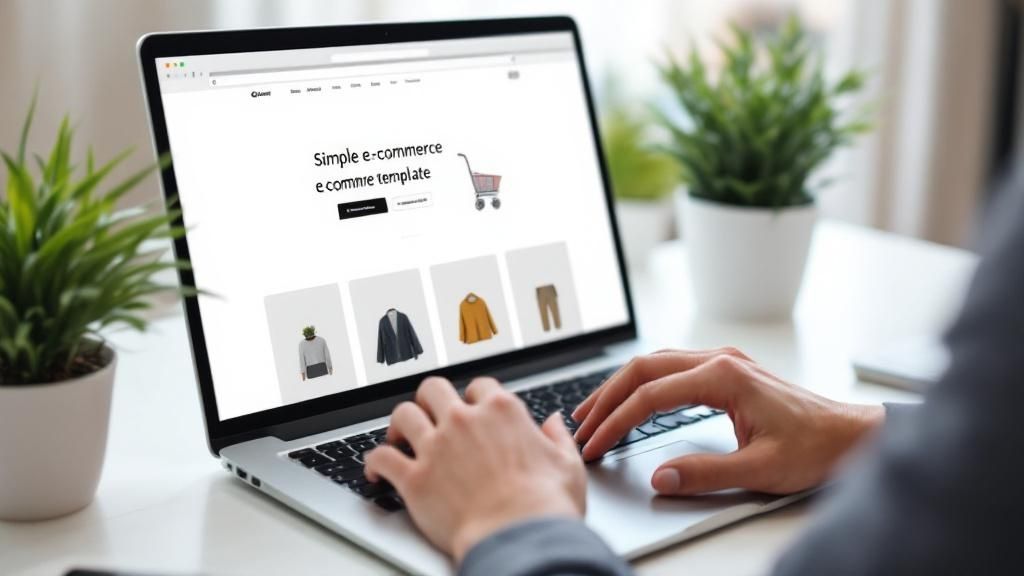
The thrill of the hunt—finding amazing inventory and staging the perfect product photos—is what gets most of us hooked on reselling. It’s the fun part.
But the real money is made in the less glamorous stuff: smart pricing, streamlined shipping, and keeping your inventory organized. This is the engine room of your business. Getting these behind-the-scenes details right is what separates a fun hobby from a real, profitable business. It’s the moment you transition from being a treasure hunter to a true business owner, ensuring you’re actually making money on every single item you sell.
How to Price Your Items for Actual Profit
Pricing can feel like pure guesswork when you’re starting out, but there’s a method to the madness. The goal is to find that perfect balance—a price high enough to give you a healthy margin, but fair enough that customers feel they're getting good value. Your first job is to get good at researching "comps," which is just shorthand for comparable sold items.
Jump onto whatever marketplace you're using, like eBay or Poshmark, and search for your item. The key is to filter the results to show sold listings only. A live listing price is just what someone hopes to get; a sold listing is hard proof of what a real person was willing to pay.
Once you have a solid idea of the market value, it’s time to crunch the numbers. Your final price has to cover every single cost tied to that item.
So many new resellers fall into the trap of just subtracting the item's purchase price from the final sale price. To see the real picture, you have to factor in everything: marketplace fees, payment processing fees, shipping supplies, and the actual cost of postage.
Running these numbers on every item is the only way to know for sure that your business is growing and not just spinning its wheels.
Shipping and Packaging Without the Headaches
Shipping can seem like a huge hurdle at first, but once you build a simple, repeatable process, it becomes second nature. Remember, the way a customer receives their package is a huge part of their experience. Great packaging leads to great reviews and repeat buyers.
First things first, get your basic supplies in order. You don’t need a full-scale warehouse, just the essentials to ship things out quickly and safely.
- A digital scale: Don't guess the weight. Guessing is how you either overpay for postage (eating your profit) or underpay and have the package returned.
- A mix of mailers: Padded poly mailers are perfect for non-fragile items like clothing. For anything delicate like jewelry, you’ll need small boxes.
- Packing materials: Bubble wrap, packing paper, and good tape are your best friends. Don’t skimp here.
When you pack an item, imagine its journey. It’s going to be dropped, tossed, and stacked. Your packaging is its only line of defense. For a piece of jewelry, for example, put it in a small gift box, wrap that in bubble wrap, and then place it inside a padded mailer. This adds layers of protection without adding much weight.
Most online marketplaces, from Etsy to eBay, offer discounted shipping labels you can print right from home. Always use them. They are significantly cheaper than paying retail rates at the post office counter and can easily add a few extra dollars of profit to every sale.
Managing Your Inventory Like a Pro
As your pile of unlisted inventory grows, chaos can set in fast. You need an inventory management system from day one—even when you only have ten items. It doesn’t have to be fancy, just consistent.
A simple spreadsheet is the perfect place to start. Create columns to track the essential details for every single item you bring home.
To see how this works in the real world, let's break down the profit on a single item.
Sample Profit Calculation for a Resold Item
This table illustrates how to calculate the net profit on a typical resold item by accounting for all associated costs.
| Expense Category | Example Cost | Description |
|---|---|---|
| Final Sale Price | $45.00 | The amount the customer paid for the item, including any shipping they were charged. |
| Cost of Goods | -$8.00 | The price you paid to acquire the item from a thrift store, wholesaler, etc. |
| Marketplace Fee (13%) | -$5.85 | The commission the platform takes from the total sale price. |
| Shipping Label Cost | -$4.50 | The actual cost of the postage to ship the item to the buyer. |
| Shipping Supplies | -$0.75 | The estimated cost of the box, bubble wrap, and tape used for this order. |
| Net Profit | $25.90 | The final amount of money you earned from this sale after all expenses. |
Tracking your numbers this clearly does more than just show your profit. It helps you spot trends, identify your most profitable sourcing spots, and make smarter buying decisions down the road. As you grow, you might move to a dedicated inventory app, but the discipline starts here. Know what you have, what you paid, and what you made. That's the foundation of a successful reselling business.
Marketing and Scaling Your Reselling Business
You’ve found your niche, sourced some killer inventory, and even made your first few sales. This is that exciting moment when a side hustle starts to feel like a real, honest-to-goodness business. But how do you turn those early wins into something that lasts? The key is shifting your focus from just selling products to actively building a brand and planning for growth.
This means you have to move past the "list it and hope they find it" phase. It’s time to build a marketing engine that consistently brings new customers to your digital doorstep and have a solid plan for what comes next.
Build a Community, Not Just a Customer List
In the jam-packed world of online reselling, your brand is the only thing that truly sets you apart. The best place to start building it is on social media—but not by just spamming product photos. Platforms like Instagram and TikTok are perfect for telling a story and gathering your people.
- Take People Behind the Scenes: Film your sourcing trips (everyone loves a good "thrift haul" video!), show your packaging process, or give a sneak peek of new items before they drop. Being open like this builds a ton of trust and makes your followers feel like they're in on the journey with you.
- Teach Your Audience Something: If you sell vintage jewelry, for example, create short videos explaining how to spot real sterling silver or the story behind a particular Art Deco design. This positions you as an expert and gives people a reason to follow you, even when they aren't ready to buy. For more specific tips, check out our detailed guide on how to effectively sell jewelry online.
- Actually Talk to People: Don't just post and ghost. Respond to comments, run polls in your stories, and ask your followers what they want to see from you. This simple back-and-forth turns passive viewers into a loyal community that will go to bat for your brand.
Never underestimate the power of amazing customer service. A handwritten thank-you note, getting packages out the door quickly, and friendly responses to questions can turn a one-time buyer into a repeat customer who leaves glowing reviews. Those reviews are marketing gold.
Knowing When and How to Scale
Growth is great, but scaling too fast—or in the wrong direction—is a classic way to burn out. Smart scaling is about making calculated moves based on your sales data and workload, not just a gut feeling that it's "time to get bigger."
The good news? The market is definitely on your side. The global secondhand market is on track to be worth a massive $264 billion by 2025, with experts predicting it will grow by 12-15% every year. Considering 38% of online shoppers bought from a resale marketplace in 2022, the customer base is huge and still expanding. Dig into more of the thrifting market's growth and statistics if you're curious. This incredible demand is your green light to start thinking bigger.
Reinvesting Your Profits for Smart Growth
Think of your profits as the fuel for your business engine. In the beginning, the absolute best thing you can do is pour a good chunk of your earnings right back into the business.
Here’s a practical way to think about reinvesting:
- More Inventory, Always: Your first priority is to broaden and deepen your inventory. Use your profits to buy more of what's already selling well or to take a calculated risk on a few higher-value items in your niche.
- Upgrade Your Tools: Once you have a steady stream of inventory, invest in things that save you precious time. This could be a thermal label printer to make shipping a breeze, better lighting for your product photos, or simple inventory management software.
- Outsource the Small Stuff: When you realize you're spending more time taping up boxes than you are sourcing new products, it's time to get help. Even hiring a local student for a few hours a week to pack orders can free you up to focus on the tasks that actually make you money.
Eventually, you might consider launching your own e-commerce site on a platform like Shopify. This is a huge step. It gives you complete control over your brand and frees you from marketplace fees, but it also means you are responsible for generating 100% of your own traffic. This is a move you make only when you have a strong social media following and a loyal customer base ready to follow you anywhere. It's the final leap from being a reseller to becoming a true, independent brand.
Common Questions About Starting a Reselling Business
Jumping into any new business is going to bring up a ton of questions. That’s perfectly normal. Getting straight answers early on is the best way to build your confidence and avoid some of the classic rookie mistakes. Let's tackle some of the most common questions I hear from new resellers.
How Much Money Do I Really Need to Start?
Honestly, you can get this off the ground with less cash than you’d think. A starting budget of $50-$100 is more than enough to grab your first few items from a local thrift store or a weekend garage sale.
The key is to start small and be disciplined. The minute you make a sale, funnel that profit right back into buying more inventory. Let the business pay for its own growth. It's tempting to go big, but you should hold off on any large, risky purchases until you’ve got a real feel for your niche and know what actually sells.
What Are the Most Profitable Items to Resell?
Profitability is a moving target, always shifting with consumer trends. That said, some categories are perennial winners. Think brand-name sneakers, unique vintage clothing, rare collectibles, and designer accessories. In the jewelry space, for example, personalized pieces and vintage-style gold chains are really having a moment.
The real secret isn't finding one "magic" product. It's about developing an eye for items with high demand that you can source for a low price. The best way to do this is to get on platforms like eBay and filter for 'sold' listings. This shows you what people are actually paying for right now, not just what sellers are asking.
Do I Need a Business License to Start?
This one really depends on where you live and the volume you're selling. When you're just starting out and testing the waters, you can usually operate as a sole proprietor without any special licenses. It's the simplest way to get going and doesn't require any formal setup.
Once your business starts to pick up steam, though, you'll need to make things a bit more official.
- Register Your Business: This might mean registering a "Doing Business As" (DBA) name with your state or local government.
- Get a Seller's Permit: In most states, you'll need one of these to legally collect sales tax from your customers.
- Check Local Laws: Your city and state have their own specific rules. A quick search for your local Small Business Administration office or Chamber of Commerce website is the best place to find the facts.
How Do I Handle Taxes for My Reselling Business?
Yes, you have to report your income. From your very first sale, you need to track everything. Keep meticulous records of your sales, what you paid for your inventory, and every single business expense—shipping boxes, marketplace fees, even the mileage for your sourcing trips.
These expenses are your friend because they lower your taxable income. A simple spreadsheet will do the job when you're starting out, but using basic accounting software like QuickBooks Self-Employed can make life much easier. I always recommend chatting with a tax professional, even for a one-time consultation. They can make sure you're set up correctly from the jump and not missing out on any deductions.
Ready to find high-quality, on-trend pieces for your new jewelry reselling business? Check out the huge collection at JewelryBuyDirect. You'll get direct-from-factory pricing that helps you maximize your profit margins from day one. Discover your next bestseller at https://www.jewelrybuydirect.com.